Blockchain: Innovating Online Payments and Transactions
In a modern digital society, blockchain technology is changing the payment and transaction landscape by making payments and transactions more efficient in different industries. Blockchain is also redefining how we conduct financial activities on the internet by helping in the development of secure online payments and ensuring the smooth transition of the funds from the sender to the recipient directly without any third-party involvement.
Of note is the fact that perhaps the main category of activities where blockchain is making a focal stride is online game spending. The last few years have given rise to the mobile gaming industry and gaming apps have crept into the world of play stores which are iOS and Android. It is fair to say that the integration of cryptocurrency and other e-payment methods has become an essential part of the gaming app industry. Game makers are using blockchain technology to ensure gamers can pay securely and transparently, hence, by improving the overall gameplay, they are adding more value to the experience.
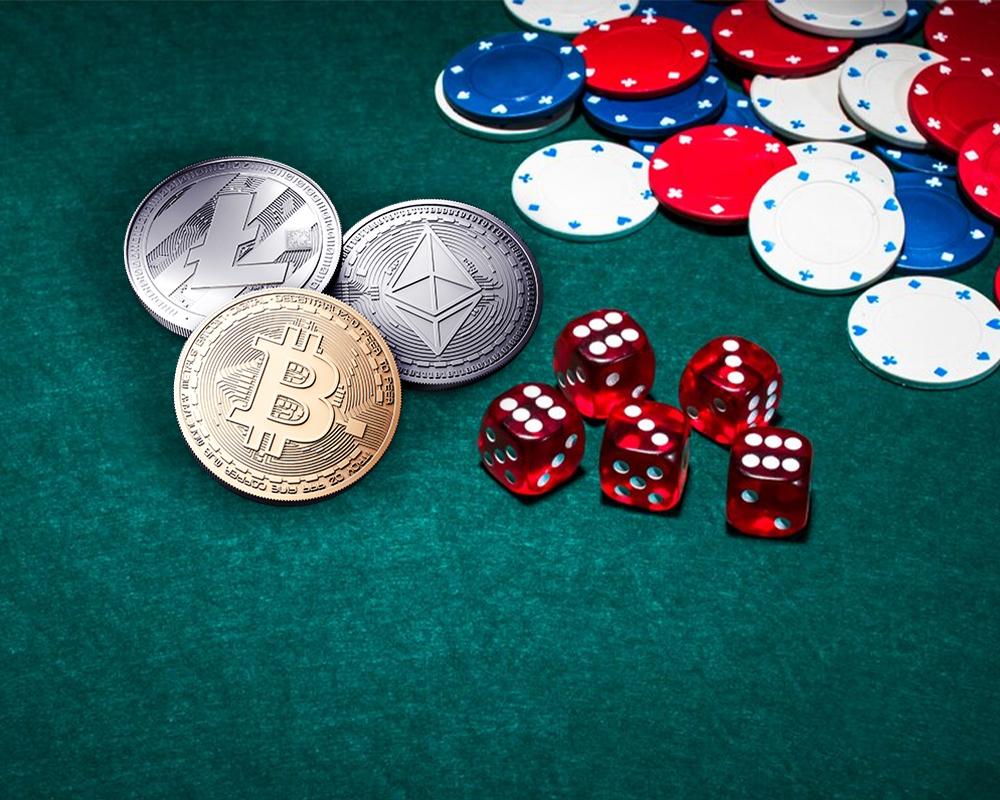
Online Games Online Purchases
Blockchain-based micro-payment systems within games make payments more decentralized and ensure instant transactions between peers, cutting out the middleman as well as the traditional banking system. Apart from speeding up the whole money movement, it brings up the issue of greater confidentiality and security for gamers.
Besides, blockchain-based technology technologies have created new channels to raise money in the gaming business. The world of video games might not only gather gamers but also create great income through in-game purchases, virtual goodies, and other monetization techniques that ensure a seamless payment process.
Using the blockchain in online games lubricates another space for the idea of digital asset ownership which brings in a layer of verifiable scarcity and adds value to the virtual items used in the games. The owners can be fully entitled to their virtual goods, and they can use new security protocols when trading on blockchain technology platforms.
In-app purchases in games make up a large share of consumer spending on both the App Store and Google Play. This trend is a clear marker for more elegant payment options and customer-friendly game purchases within gaming apps, to capitalize on an ever-growing market for online games spending.
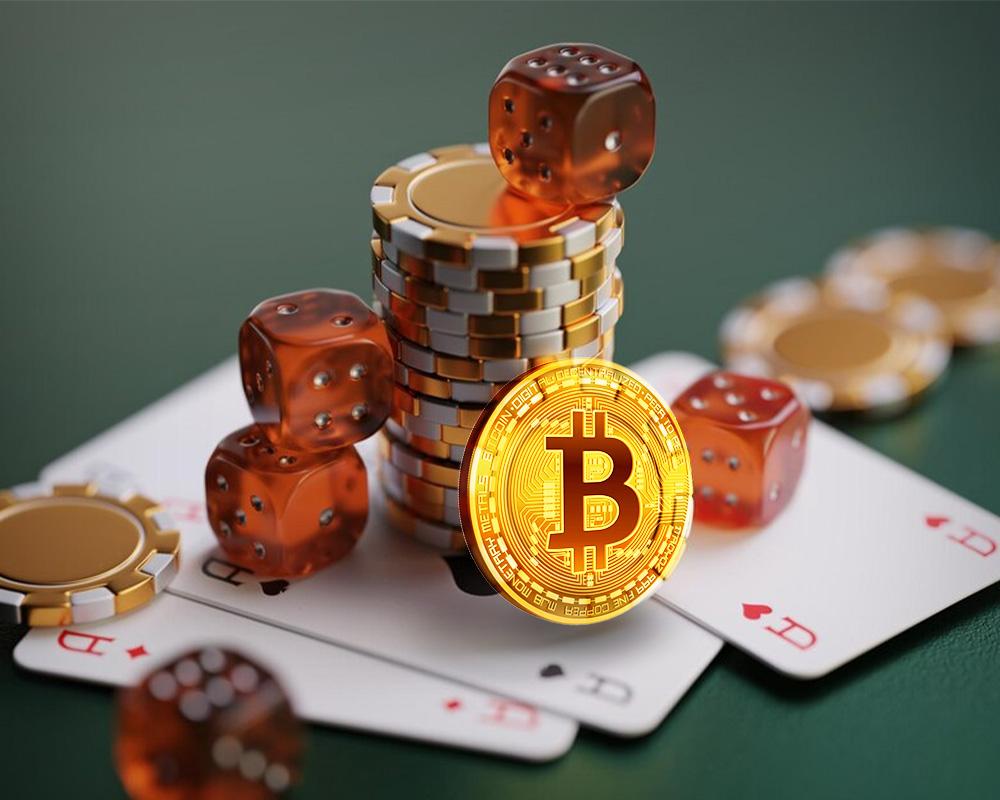
Enhancing Safety and Guarantees for In-App Game Purchases
Blockchain technology inherits many excellent characteristics in apps, and in-game purchases, which are to improve safety and guarantee transactions. One of the crucial advantages is reasons for to security that comes with distributed ledgers. Whenever consumers perform transactions with in-app purchases that use blockchain technology-based payment systems, their transactions are booked on a permanent and transparent ledger. Such transparency in the system eliminates the chance of fraud like taking small amounts from the account without notifying the user or data leakage thus creating a secure favourable buying atmosphere. For example, if you check the full list of casino banking methods, most of them, like Zimpler, Trustly, PayPal and cards, run on traditional payment rails, while cryptocurrency payments are the ones built on blockchain.
Besides, smart contracts, which are developed without human interaction, further use blockchain technology. Within in-app game purchases, the smart contracts can be automated according to the set determinants driving the users to get any items they bought or virtual goods in a hassle-free way immediately when they pay. Through this autonomy, businessmen do not have to use the intermediary for making payments thus avoiding any payment disputes or delays thereby increasing the overall reputation and guarantee for the users
- Enhanced security through decentralized ledgers, reducing the risk of fraud and unauthorized transactions.
- Use of smart contracts automates payment processes, ensuring immediate delivery of purchased items and minimizing payment disputes.
- Immutable transaction records on the blockchain provide a tamper-proof and transparent history of purchases.
- Increased transparency in transactions builds trust among users and reduces the potential for manipulation or data breaches.
- Decentralization reduces dependency on intermediaries, leading to faster and more efficient in-app purchase experiences.
- Blockchain’s cryptographic protocols enhance privacy and confidentiality, safeguarding user information during transactions.
Understanding Blockchain Safety via Toy Example
Now, let’s talk about blockchain, a technology that can improve the math world by using an example of a toy. Keep in mind a basic example where higher grades are handed out to students who have solved a math quiz and gotten a good score.
- Recording Quiz Scores
Every student’s quiz score has made the blockchain more transparent by adding a record of their result on it. Following this illustration, on the math quiz, Alice gets 90, Bob 85, and Cindy 95 points.
- Smart Contracts for Rewards
Smart contracts will be deployed on the blockchain to enable the process of reward distribution automatically based on scores of quizzes. If their grade is between 90 per cent and above, they should receive a gold star; between 80 per cent and 90 per cent they receive a silver star, and for less than 80 per cent they get a bronze star.

- Statistics
Among 100 students, 30% of the students scored above 90, 50% of the students scored between 80 and 90, and the rest 20% scored below 80.
The blockchain is the system which records the statistical records of these participants. All the participants have a right to view and verify that all the collective amounts are correct.
Here, a mathematical scenario is used to illustrate: how blockchain increases reliability, corruption lowers and automation enhances the mathematical process, showcasing its potential uses beyond financial transactions.